is India safe?
Since I’ve only been to Mumbai and South India (west coast), I obviously can’t speak for the whole country. I’m also not an official government travel advisory or anything. But as an anxious person I felt pretty safe in India.
It was my boyfriend’s idea to travel there. He’d been in India twice and wanted to change my very strong opinion about the country (it was absolutely not on my bucket list and thats an understatement).
Since he’s right most of the time, I decided to come with him. I spent days googling 101 things: whether it’s safe there, what diseases you can catch, which wild animals you might bump into and whether there are natural disasters.
Surprisingly (at least to me), it turns out it’s actually not that bad on the west coast.
Natural disasters
Obviously I started with checking up the best time to go. For South India it’s December to February. Our trip took place from mid-January to mid-February, so right in the middle of the perfect window.
Because if I was going to say yes to India, I was going to say yes on my terms — and going in the right season was non-negotiable. All those days of googling had to be good for something.
Here’s what the year actually looks like on the west coast (Mumbai, coastal Karnataka, Goa, Kerala):
December–February: dry, warm, low humidity. Peak season, peak prices, peak crowds. This is the window.
March–May: hot and increasingly humid, building towards genuinely uncomfortable. May is also the pre-monsoon cyclone month on the Arabian Sea side.
June–September: the southwest monsoon. Heavy rain, landslide risk in the Western Ghats, waterfalls and hill areas closed during alerts. Cheap and green, but this is the flood window.
October–November: the monsoon retreats and things dry out. Shoulder season: still some rain, fewer people, better prices. October can still throw a post-monsoon system at you.
So when we travelled from Mumbai down south, we were months clear of the monsoon in either direction.
December to February isn’t just the nicest temperature for South India, it’s also the period where the whole natural disaster list basically packs up and goes home. No monsoon flooding, outside both cyclone seasons and the heat is bareable.
Wild animals
Tigers
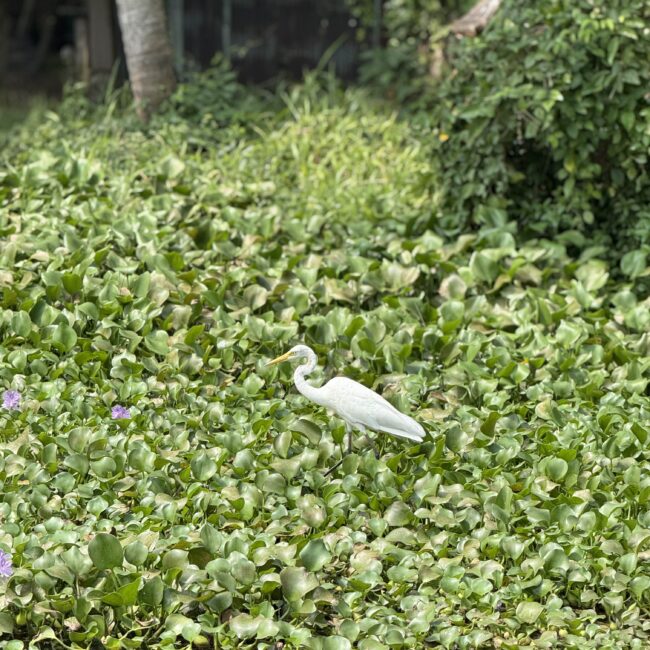
During my research I found out that there are tigers roaming around in India. Yes, they live in the south too and yes this obviously made me doubt to go. after some more research i found out that the tigers are in the protected reserves of the Western Ghats: Periyar in Kerala, Bandipur and Nagarhole in Karnataka, Anamalai in Tamil Nadu. So the chance of you bumping into one is basically zero. They stay inside those reserves, and even people who book a safari specifically to see a tiger usually go home without spotting one. What you do see are hundreds of beautiful bird species, including eagles and kingfishers.
Elephants
xxx
Snakes
For the past few years I’ve had a massive phobia of snakes (as if the anxious pile was not big enough already lol) and I have to be honest here: there are indeed snakes. Out of the 300 species, 70% is non venomous. Still, seeing a snake is quite rare and in those 5 weeks, I didn’t see a single one.
Cows and stray dogs
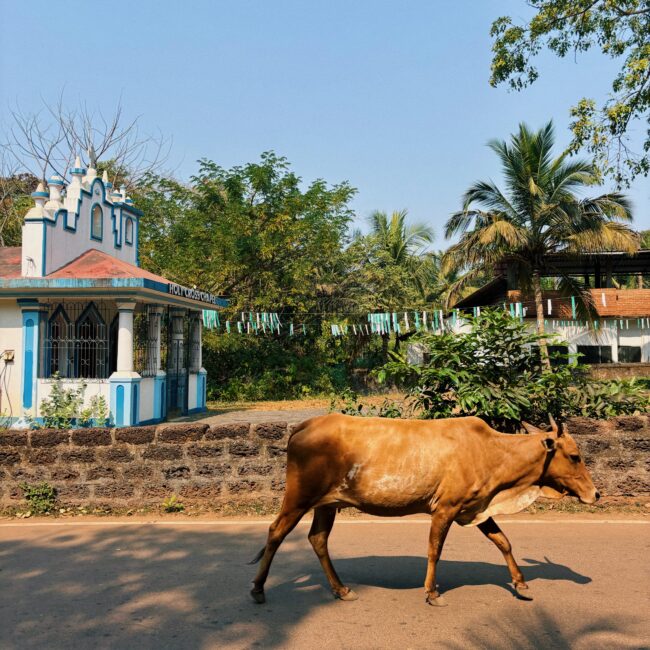
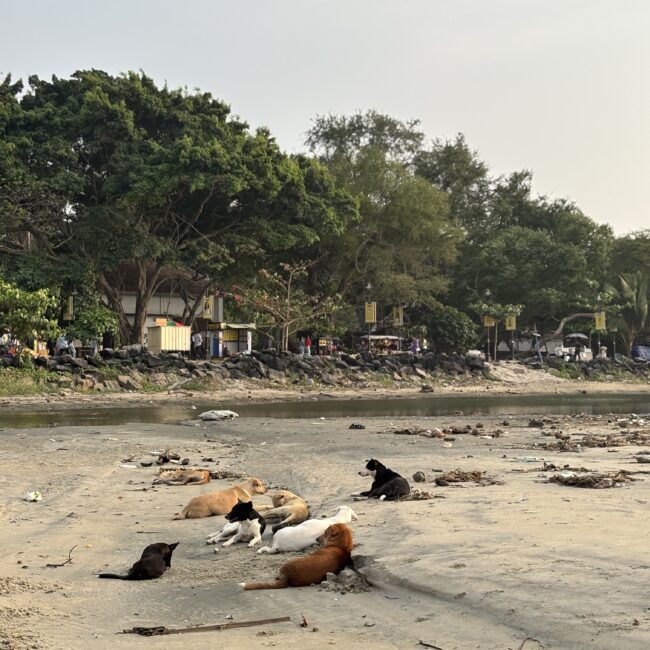
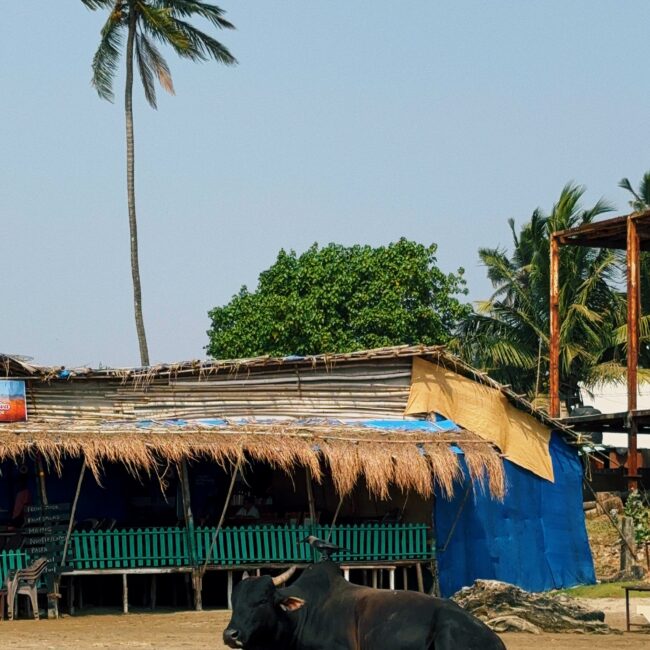
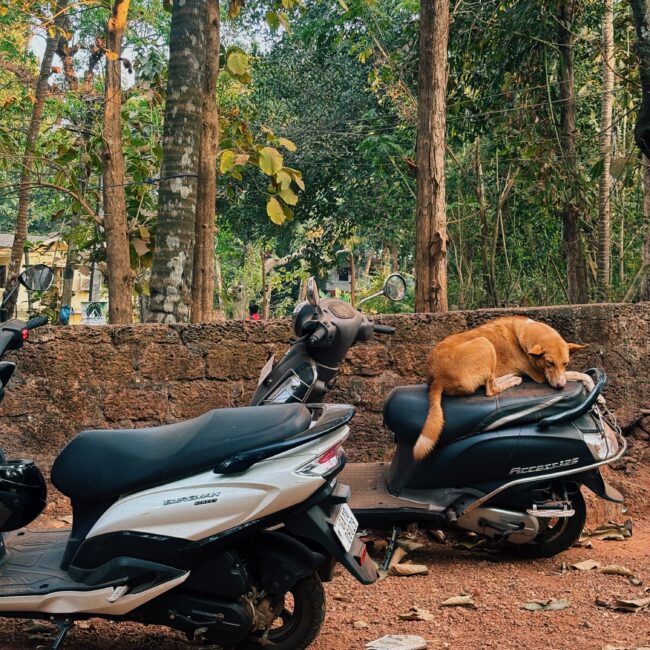
If you’re scared of cows, you might want to think twice about visiting the south, because here there is literally a cow on every street corner. They’re big, but not dangerous. They’re used to people and used to the chaos. Always keep enough distance and just leave them be. Besides cows, there are also a lot of stray dogs. Same thing applies here: try to keep your distance as much as possible, because the dogs can carry rabies.
Mosquitos
Dengue occurs in Kerala and Karnataka. I always headed out sprayed in DEET and often with long trousers and sleeves, or a handheld fan. Yes, I got bitten in those 5 weeks, but it never got worse than a bit of itching.